Skip to content
Saheel Construction SolutionsStart a project

Structural protection systems

Waterproofing systemsKeep water out.

Integrated protection for roofs, basements, foundations, water tanks, wet areas, tunnels, podium decks and concrete structures.

Explore the system
Waterproofing Systems by Saheel Construction Solutions
Engineered surfacesSaheel Construction Solutions
0106

Specialized systems

02Roofs

Weather and UV exposure

03Below grade

Basements and foundations

04Leak repair

Cracks and active ingress

Long-term protection starts with understanding the water path.

Waterproofing protects buildings and concrete structures against water penetration, moisture intrusion and environmental damage.

A professionally designed system can prevent leaks, protect reinforcement from corrosion, extend structural service life and reduce future maintenance. The correct solution depends on structure type, water exposure, hydrostatic pressure, movement, concrete condition and expected service life.

Built around the demands
of your environment.

Every layer is selected to provide reliable performance, efficient maintenance, and lasting value.

01

Leak prevention

Blocks rainwater, groundwater and continuous moisture exposure.

02

Concrete protection

Reduces reinforcement corrosion and moisture-driven deterioration.

03

Longer building life

Preserves structural elements and helps extend their service life.

04

Lower maintenance

Limits repair costs caused by leaks, dampness and water-related damage.

05

Healthier interiors

Helps prevent mold, mildew and moisture-related finish failure.

06

New and existing buildings

Supports new construction, rehabilitation and leak-repair projects.

Specify the right system
for the right condition.

The structure, water pressure, movement, exposure and service-life target determine the right waterproofing system.
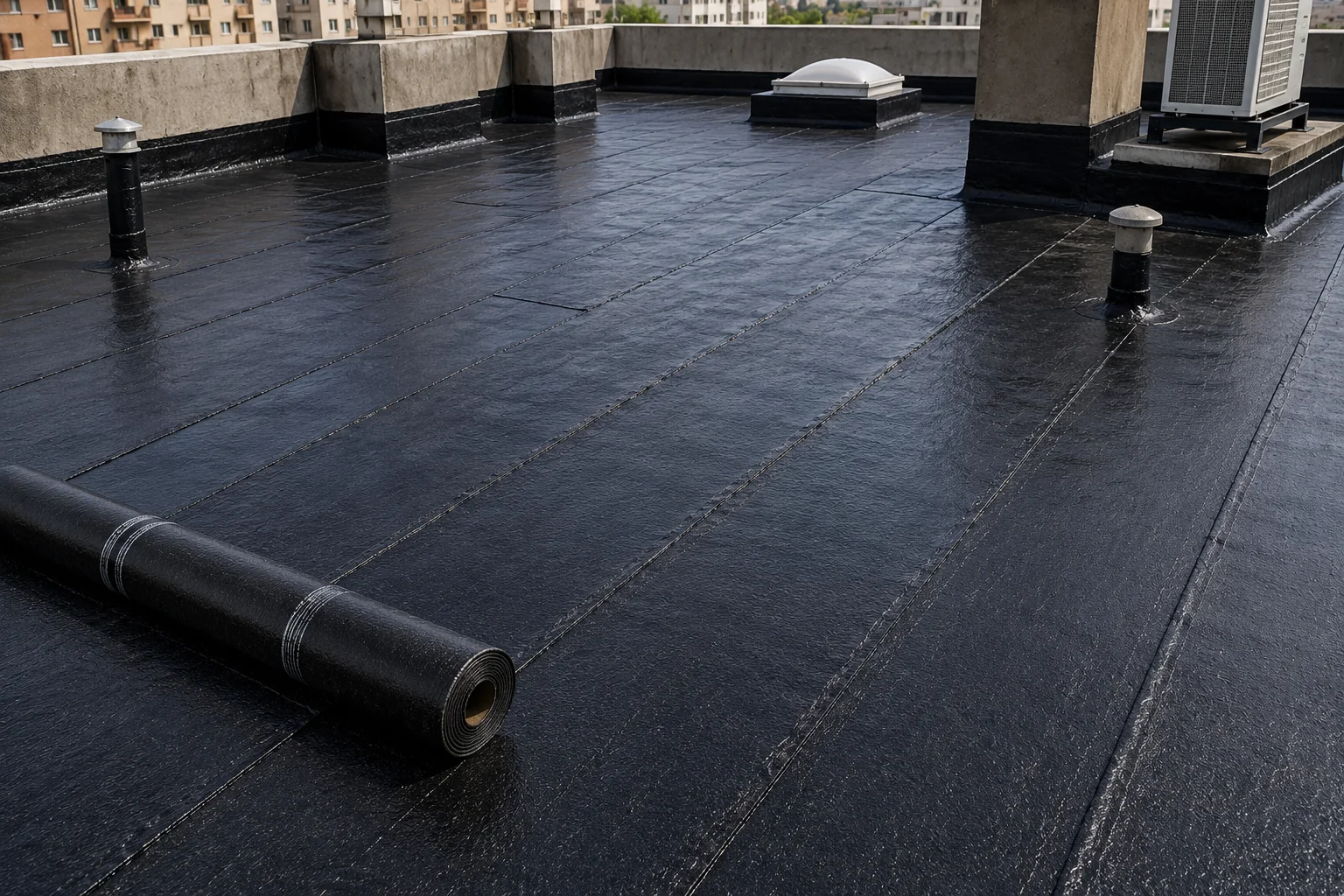
Bituminous Membranes system01

Durable sheet waterproofing

Bituminous Membranes

Sheet-membrane protection for roofs and below-grade structural elements.

SpecificationSheet membrane
Key benefits

  • Continuous protection
  • Below-grade suitability
  • Durable coverage

Typical applications

  • Roofs
  • Basements
  • Foundations
  • Podium decks
  • Retaining walls
  • Underground structures
02

Seamless elastic membrane

Polyurethane Waterproofing

A liquid-applied waterproofing system for exposed and geometrically complex surfaces.

SpecificationLiquid applied

Key benefits

  • Seamless coverage
  • Elastic performance
  • Complex-detail continuity

Typical applications

  • Roofs
  • Balconies
  • Terraces
  • Wet areas
  • Complex exposed surfaces
03

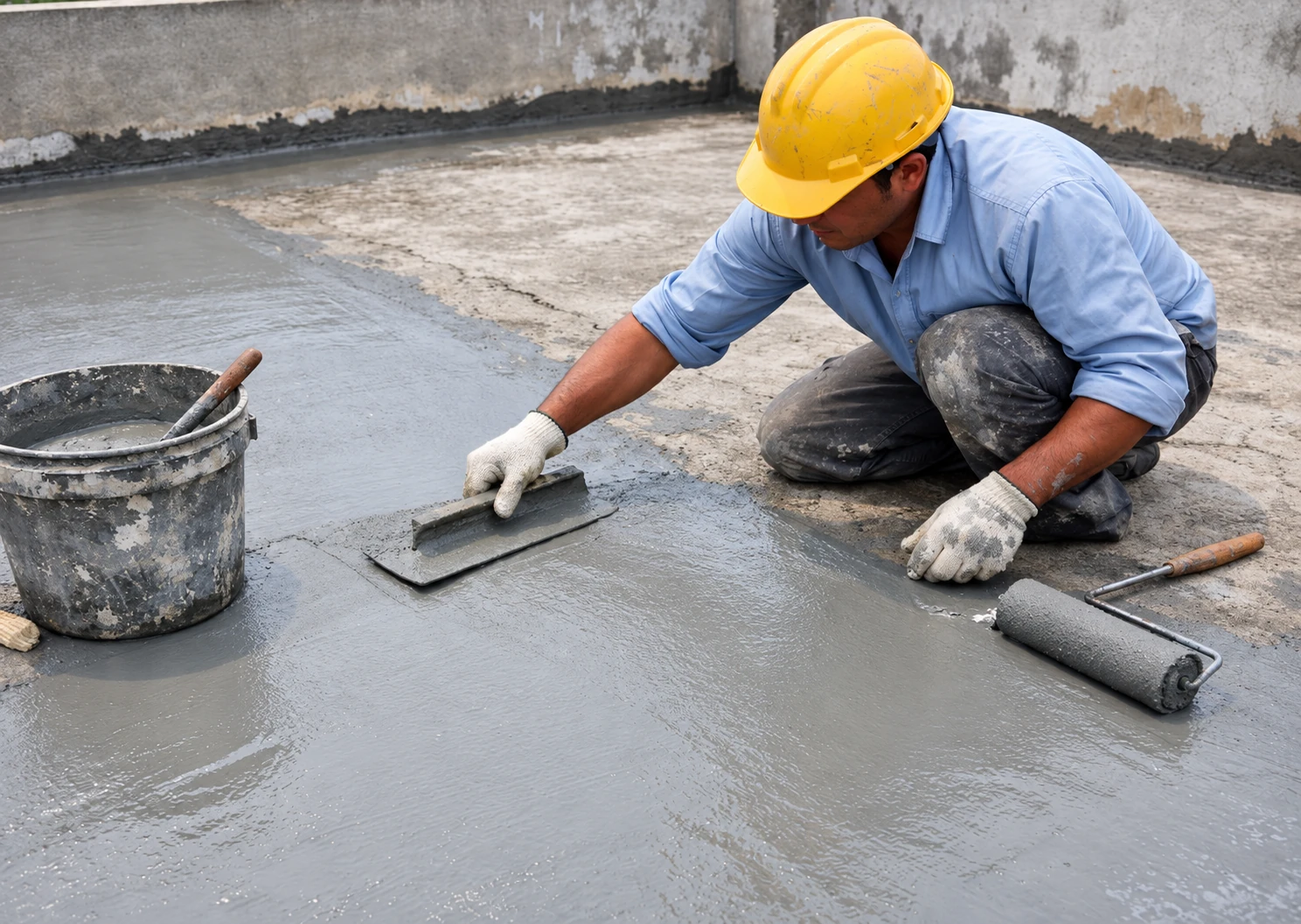
Concrete-compatible protection

Cementitious Waterproofing

A cement-based system for concrete surfaces and positive or negative water pressure.

SpecificationCement based
Key benefits

  • Concrete compatibility
  • Positive-pressure protection
  • Negative-pressure protection

Typical applications

  • Water tanks
  • Bathrooms
  • Pools
  • Basements
04

Integral concrete protection

Crystalline Waterproofing

Penetrating technology that forms insoluble crystals within concrete to block water pathways.

SpecificationIntegral protection

Key benefits

  • Penetrating action
  • Water-path blocking
  • Concrete integration

Typical applications

  • Concrete structures
  • Basements
  • Water-retaining structures
05

Targeted active-leak repair

Injection Waterproofing

Polyurethane or epoxy resin injection for diagnosed leaks and pathways in concrete.

SpecificationLeak repair

Key benefits

  • Targeted treatment
  • Crack sealing
  • Underground repair

Typical applications

  • Active leaks
  • Structural cracks
  • Joints
  • Underground repairs
06

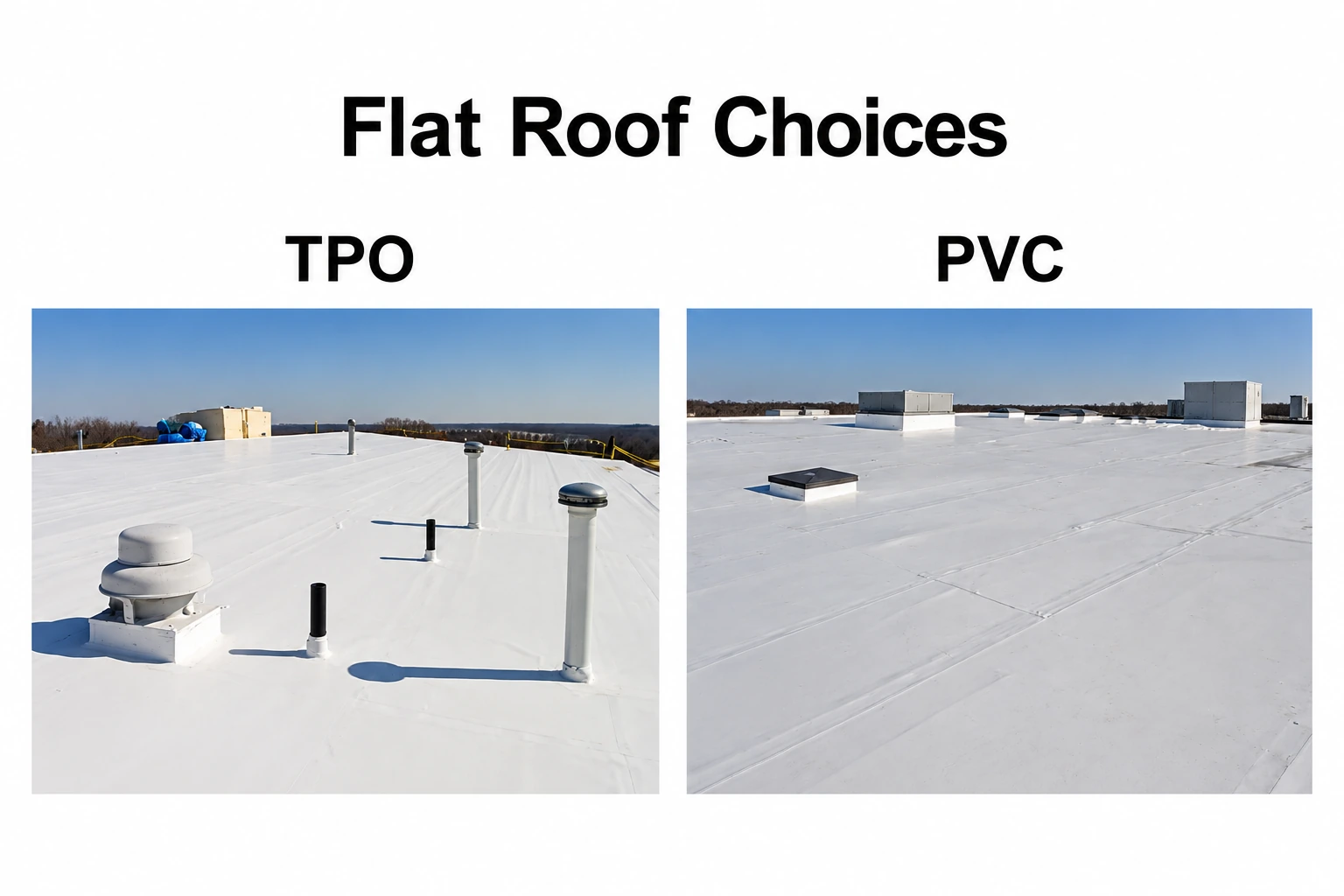
Heat-welded synthetic membranes

PVC & TPO Membranes

Synthetic sheet systems suited to broad industrial and commercial roof areas.

SpecificationLarge roofs

Key benefits

  • Heat-welded seams
  • Large-area coverage
  • Roof protection

Typical applications

  • Industrial roofs
  • Commercial roofs
  • Large roof areas

Where the system
performs best.

  • 01Roofs
  • 02Basements
  • 03Foundations
  • 04Podium decks
  • 05Retaining walls
  • 06Underground structures
  • 07Balconies
  • 08Terraces
  • 09Wet areas
  • 10Complex exposed surfaces
  • 11Water tanks
  • 12Bathrooms
  • 13Pools
  • 14Concrete structures
  • 15Water-retaining structures
  • 16Active leaks
  • 17Structural cracks
  • 18Joints
  • 19Underground repairs
  • 20Industrial roofs
  • 21Commercial roofs
  • 22Large roof areas

Controlled from survey
through handover.

Disciplined preparation and installation are essential to the performance of every Saheel system.

  1. 01

    Site assessment

    Identify the structure, exposure, leakage, concrete condition and project requirements.

  2. 02

    Surface preparation

    Remove dust, loose particles, oils, coatings and contamination.

  3. 03

    Concrete repair

    Repair cracks, honeycombs, joints, defects and damaged concrete before waterproofing.

  4. 04

    Primer application

    Improve adhesion where the selected waterproofing system requires a primer.

  5. 05

    System installation

    Apply the specified waterproofing continuously to the required installation method.

  6. 06

    Inspection and testing

    Verify coverage, membrane integrity, adhesion, seams and water tightness.

Useful answers
before you specify.

Every project has different loads, hygiene requirements, substrate conditions, and operating constraints. We assess the complete environment before recommending a system.

What is waterproofing?

It is a protective system that prevents water and moisture from entering buildings and concrete elements.

Which waterproofing system is best?

The right system depends on the structure, exposure, water pressure, substrate condition and expected service life.

Can active leaks be stopped without demolition?

Many active leaks can be treated with injection systems after the source and water pathway are diagnosed.

How do bituminous and polyurethane systems differ?

Bituminous membranes are widely used on roofs and foundations, while polyurethane forms a seamless, flexible liquid-applied membrane.

Can existing buildings be waterproofed?

Yes. Existing structures can be rehabilitated after the defects, exposure and water path are identified and repaired.

What determines waterproofing cost?

System type, surface condition, project size, access, repair needs, water pressure and exposure all affect the final cost.

Have a project in mind?

Let’s engineer the right
waterproofing systems solution.

Discuss your project